
The Father and the Daughter Chapter 44 read link English explores “Intense Closeness” as the bond between the protagonist and her adoptive father deepens in ways that blur traditional boundaries. After chapters of building trust, affection, and complex emotional dynamics, this installment examines the intensity of their relationship as it evolves beyond simple familial connection. The drama romance manhwa continues its controversial exploration of complicated family dynamics where age gaps, power imbalances, and shifting relationship definitions create moral complexity. Chapter 44’s focus on intense closeness promises to address the tension readers have noticed building throughout recent chapters as both characters navigate feelings that challenge conventional father-daughter roles. This comprehensive analysis explores the nature of this intensifying closeness, examines ethical complexities, predicts relationship trajectory, and compiles genuine reactions from the divided manhwa community discussing spoilers and debating the series’ direction.
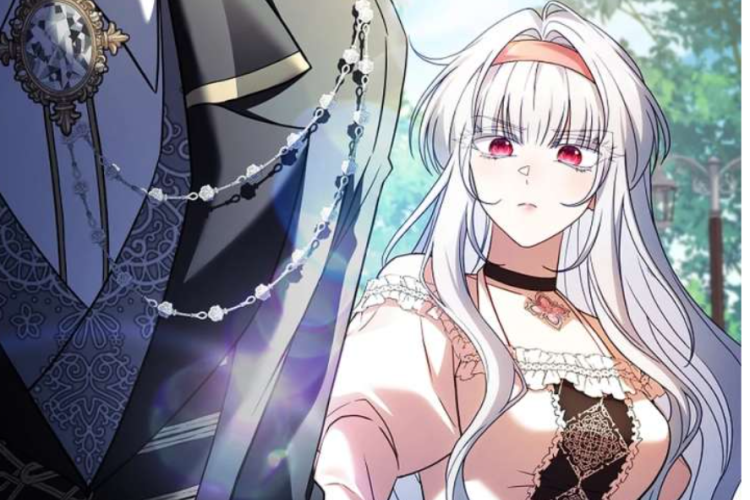
Why The Father and the Daughter Chapter 44 English Read Link Creates Controversy
The Father and the Daughter has generated intense discussion and debate since its beginning due to its premise involving a young woman and her adoptive father developing a relationship that transcends traditional parent-child boundaries. Chapter 44’s focus on “intense closeness” brings to the forefront questions readers have been grappling with throughout the series: where is the line between deep familial affection and romantic attraction, how do power dynamics and age gaps affect relationship ethics, and can a relationship that begins as adoption ever transition to romance without problematic implications?
The series has walked a careful line between portraying genuine emotional connection and addressing the inherent complications of the setup. The protagonist was adopted as a child, creating genuine father-daughter history and dynamics. Chapter 44’s exploration of “intense closeness” suggests this history is being complicated by feelings that don’t fit neatly into paternal categories. The manhwa’s approach—acknowledging rather than ignoring the ethical complications—creates space for nuanced discussion about relationship boundaries, though opinions remain sharply divided on whether the series handles these issues thoughtfully or problematically.
What makes Chapter 44 particularly significant is that “intense closeness” as a chapter theme suggests the relationship is reaching a critical juncture where its nature must be defined more clearly. Previous chapters maintained some ambiguity about whether developing feelings were simply deep familial love being misinterpreted or genuine romantic attraction emerging. Chapter 44 appears to reduce this ambiguity, forcing both characters and readers to confront what their relationship actually is and whether it can or should continue developing in its current trajectory.
The manhwa’s artwork has portrayed physical and emotional closeness with careful attention to body language, personal space, and the charged atmosphere that develops when people are navigating complicated attraction. Chapter 44 likely features panels showing the characters in proximity that feels different from earlier familial closeness—lingering touches, meaningful eye contact, or charged silence that conveys unspoken awareness of shifting dynamics. The visual storytelling will communicate the “intensity” of their closeness as effectively as dialogue.
The timing of this chapter within the overall narrative suggests the series is moving from setup and tension building toward active confrontation of the central relationship question. Approximately forty-four chapters of development means readers have substantial investment in these characters, making Chapter 44’s exploration of intense closeness more impactful than if the series rushed to this point. The extended development allows readers to understand motivations and emotional progression rather than feeling like romantic elements appeared arbitrarily.
The Father and the Daughter Chapter 44 Spoilers – Analyzing Intense Closeness Dynamics
Note: The following section contains speculation and predictions based on previous chapter developments and established story patterns.
Based on The Father and the Daughter’s narrative trajectory, Chapter 44 likely opens with a situation that creates physical or emotional proximity between the characters—perhaps they’re alone together in circumstances that feel different from routine family time, or an event occurs that makes their feelings harder to ignore. The opening might show both characters acutely aware of each other in ways that feel charged rather than comfortable, establishing immediately that something has shifted in their dynamic.
The “intense closeness” probably manifests through moments where normal boundaries between them feel inadequate for what they’re experiencing. Perhaps a comforting hug lasts longer than typical, physical contact that would normally feel innocent now carries different weight, or conversations touch on feelings that can’t be fully articulated within father-daughter framework. These moments create tension as characters navigate uncertainty about whether they’re misinterpreting signals or accurately perceiving mutual attraction.
Chapter 44 might include internal monologue from one or both characters grappling with their feelings and the ethical complications. The protagonist might question whether her feelings stem from genuine romantic attraction or confusion of gratitude and attachment with love. The father might struggle with guilt about having inappropriate feelings for someone he raised, even as he can’t deny emotional connection that transcends paternal affection. These internal conflicts add psychological depth while acknowledging the relationship’s problematic aspects.
A pivotal scene could involve near-confession or almost-kiss moment where the intensity peaks but characters pull back from crossing definitive lines. This narrative technique maintains tension while allowing continued development without rushing to resolution. The aftermath of such a moment—awkwardness, avoidance, or alternatively doubled-down attempts at normalcy—would reveal how each character processes what nearly happened and what it means for their relationship.
Chapter 44 might introduce external perspective through a friend, family member, or acquaintance who observes the relationship and either questions its appropriateness or normalizes it. This outside viewpoint provides readers with different framework for evaluating the relationship beyond the protagonists’ perspective. Whether this character expresses concern or support could significantly influence how the main characters view their own situation.
The chapter could explore how their changing dynamic affects daily life and practical matters. If they live together, does increasing awareness of attraction make formerly comfortable cohabitation awkward? Do they start avoiding each other or conversely seek more proximity? These practical impacts of emotional shift demonstrate how relationship changes affect all aspects of life rather than existing purely as abstract feelings.
Chapter 44 might address age and power dynamics explicitly through dialogue or internal reflection. The series has presumably established specific ages for both characters, and the gap likely represents significant difference in life experience and authority. Whether characters acknowledge that this gap creates inherent power imbalance or rationalize it away reveals the series’ approach to these ethical questions and provides readers with information about whether the narrative takes these concerns seriously.
The chapter’s conclusion likely doesn’t resolve the relationship question but rather establishes that both characters now consciously acknowledge their feelings are complicated and don’t fit simple father-daughter categories. Perhaps they have a conversation that begins addressing their situation without reaching conclusions, or they make a decision to create distance to evaluate feelings separately. This open ending maintains narrative tension while advancing the central question about their relationship’s nature and future.
Global Manhwa Community Deeply Divided on Chapter 44 Developments
The manhwa community’s response to The Father and the Daughter Chapter 44 reveals sharp divisions in perspective. Reddit communities like r/manhwa feature discussion threads where readers express strongly opposed viewpoints. Some readers defend the series as exploring complex emotional territories with nuance, arguing that fiction can examine morally complicated situations without endorsing them. Others express discomfort or criticism, arguing the series romanticizes inappropriate relationships and that the “intense closeness” development represents crossing ethical lines even in fictional context.
Twitter/X shows The Father and the Daughter generating polarized reactions, with some fans celebrating the relationship development using romantic shipping language while critics express concern about the series’ direction. International fans particularly debate cultural differences in how such relationships are perceived, with some noting that different societies have varying comfort levels with age gap relationships and whether adoption status makes romantic relationships inherently problematic. These discussions reveal how cultural context shapes moral judgments about fictional relationships.
Fan artists produce artwork for the series, though it tends to receive more controversial responses than typical romance manhwa fan art. Some illustrations emphasize the romantic aspects of the relationship, depicting the characters as couple, while others focus on more ambiguous familial affection. The artistic community itself appears divided, with some refusing to create romantic content for the series based on ethical objections while others see it as simply engaging with fictional characters.
YouTube content creators who cover The Father and the Daughter often include disclaimers and content warnings acknowledging the controversial nature of the series. Review and analysis videos typically address ethical concerns explicitly, with creators sharing their personal stances on whether the series handles its premise appropriately. Comment sections become debate forums where viewers with opposed perspectives argue about fiction’s responsibilities, the difference between depicting versus endorsing problematic relationships, and where personal boundaries lie regarding uncomfortable content.
Discord servers show varied approaches to discussing the series. Some servers include dedicated channels for The Father and the Daughter, recognizing it has an audience while allowing those uncomfortable with the premise to avoid the content. Others have banned discussion entirely due to concerns about the series’ themes. Servers that do discuss it often feature ongoing debates about whether readers can enjoy problematic content critically versus whether engagement itself is problematic.
International communities reveal cultural variations in reception. Korean readers might reference cultural contexts around age gaps and traditional family structures that differ from Western frameworks, though Korean audiences also express divided opinions. Western readers often analyze the series through frameworks of grooming and power dynamics, with some arguing the series fails to adequately address these issues while others believe fiction need not perfectly align with real-world ethics to have value.
Scanlation teams working on The Father and the Daughter have faced internal debates about whether to continue translating the series given its controversial themes. Some translators refuse to work on it based on ethical objections, while others argue that translation doesn’t equal endorsement and that making content available allows readers to form their own judgments. These behind-the-scenes conflicts reflect broader community tensions about engaging with morally complex content.
The series has attracted readers specifically because of rather than despite its controversial premise, with some appreciating fiction that explores taboo subjects without moralizing. These readers often argue against content censorship and defend the right to engage with complicated narratives. However, this defense sometimes conflicts with others who feel certain content crosses lines regardless of artistic merit or critical engagement.
Mental health professionals and relationship experts within manhwa communities have occasionally weighed in on The Father and the Daughter discussions, providing perspectives on real-world power dynamics, the psychology of family relationships, and why certain relationship types are considered inappropriate. These expert interventions add educational dimension to debates while sometimes escalating tensions when fictional preferences conflict with professional knowledge about harmful relationship patterns.
Long-time readers express mixed feelings about Chapter 44’s direction. Some who started the series hoping the relationship would remain familial feel disappointed or frustrated by the romantic development. Others who anticipated romantic progression feel validated that the series is committing to the direction they preferred. This divided readership reflects fundamental disagreements about what story should have been told versus what story is being told.
For video recap summaries of the hottest and most classic manhwa series—where you can enjoy stories without reading text—visit Manhwa Fresh for comprehensive visual breakdowns.



Comments