
The Superhuman Era Chapter 215 English scan is finally here with Kirilov launching his devastating offensive that fans have been anticipating. After weeks of strategic positioning and power escalation, this chapter delivers the explosive confrontation readers have been waiting for. The manhwa continues its thrilling exploration of a world where superhumans battle for supremacy, and Chapter 215 marks a critical turning point as Kirilov unleashes his full capabilities. This spoiler-filled analysis breaks down why Kirilov’s offensive is so significant, predicts the battle’s outcome and consequences, examines the tactical elements at play, and compiles real reactions from the global fanbase eagerly discussing the RAW scans and awaiting quality English translations.
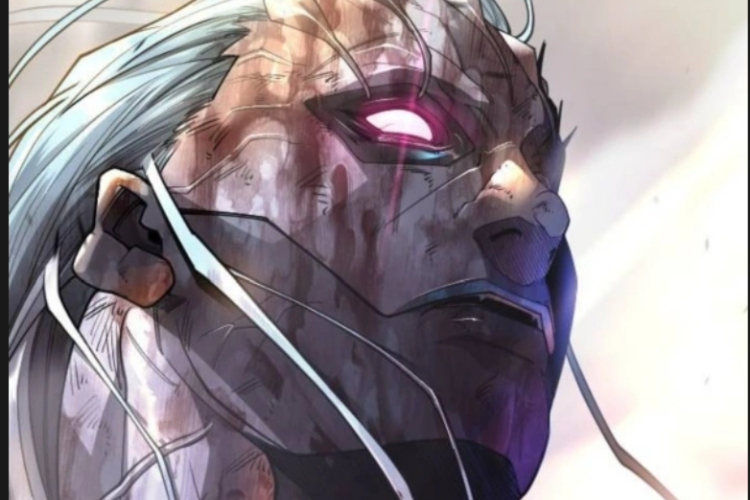
Why The Superhuman Era Chapter 215 Has Fans Going Crazy
The Superhuman Era has carved out its niche in the competitive superhuman manhwa genre by focusing on realistic power scaling, strategic combat, and geopolitical consequences of superhuman existence. Unlike series that rely purely on power escalation, this manhwa treats superhuman abilities as extensions of military and political power, creating conflicts with genuine stakes and unpredictable outcomes. Chapter 215’s focus on Kirilov’s offensive represents the culmination of multiple story threads that have been building since around Chapter 190.
Kirilov emerged as one of the series’ most formidable antagonists approximately thirty chapters ago. Introduced as a Russian superhuman with ties to military intelligence, his character combines raw destructive power with tactical brilliance honed through actual combat experience. The author has carefully developed Kirilov through strategic appearances, each demonstrating different aspects of his abilities and psychological profile. His methodical approach to conflict sets him apart from typical battle-hungry antagonists, making him a genuinely threatening presence.
Previous chapters showed Kirilov systematically eliminating obstacles and positioning assets for a major operation. Chapter 214 ended with him declaring the beginning of his offensive, with the final panel showing his cold expression as explosions erupted across multiple locations simultaneously. This cliffhanger sent the community into speculation overdrive about his true objectives, the scale of destruction he plans to unleash, and whether the protagonist coalition can effectively respond to a coordinated assault of this magnitude.
The manhwa’s artwork has consistently delivered high-quality action sequences, and Chapter 215 promises to showcase some of the series’ most impressive combat panels yet. The artist excels at depicting large-scale destruction while maintaining clarity about individual character actions within the chaos. Fans anticipate seeing Kirilov’s signature techniques fully animated through detailed sequential art, potentially revealing new applications or hidden aspects of his powers that previous encounters only hinted at.
What elevates anticipation for this chapter is the strategic context surrounding Kirilov’s offensive. This isn’t a random attack but the execution of a plan readers have watched develop across multiple chapters. The author has established that Kirilov’s objectives extend beyond simple destruction to achieving specific geopolitical outcomes. Understanding his targets, timing, and methods reveals layers of strategy that make The Superhuman Era more intellectually engaging than pure action series.
Full Spoilers & Battle Analysis for Chapter 215
Chapter 215 opens with simultaneous strikes across three continents, immediately establishing the global scale of Kirilov’s offensive. The opening panels show coordinated attacks on superhuman research facilities, government installations, and strategic infrastructure. This multi-pronged approach demonstrates Kirilov isn’t acting alone but commands significant resources and intelligence networks. The first few pages effectively convey the shock and chaos as various factions scramble to understand what’s happening and mount effective responses.
The chapter’s primary focus shifts to Kirilov personally leading the assault on the European Superhuman Defense Council headquarters. This location choice is significant because it represents the international coalition’s primary coordination center. Taking it out would cripple organized resistance to his broader objectives. The battle sequence begins with Kirilov using his electromagnetic manipulation abilities to disable electronic systems, creating a blackout that neutralizes technological advantages defenders relied upon.
What makes this offensive particularly devastating is how Kirilov adapted his tactics based on intelligence from previous encounters. Characters who previously fought him find their counter-strategies anticipated and neutralized. For instance, Phase-type superhumans who might normally evacuate personnel discover Kirilov deployed specialized containment fields that disrupt spatial abilities. The chapter shows him methodically closing off escape routes and contingency plans, demonstrating he studied the defenders’ capabilities thoroughly.
The protagonist Jun-woo arrives at the European headquarters around the chapter’s midpoint, leading to a direct confrontation that readers have been anticipating for months. However, rather than immediately engaging in an all-out battle, the chapter reveals Kirilov’s true objective: he’s using the assault as a distraction while extracting critical intelligence about Project Prometheus, a secret initiative only vaguely referenced in earlier chapters. This twist elevates the conflict beyond simple combat to a race against time.
The artwork during the battle sequences showcases why fans love this series. Panels alternate between wide shots showing the scope of destruction and tight close-ups capturing character expressions and technique details. When Kirilov unleashes his electromagnetic pulse attack, the artist uses dynamic panel layouts and speed lines to convey the attack’s range and power. The contrast between Kirilov’s calm, analytical expressions and the chaos surrounding him effectively communicates his complete control over the situation.
A significant revelation occurs when Kirilov’s offensive exposes a mole within the superhuman coalition. One of the seemingly loyal defenders actively sabotages defense systems at crucial moments, revealing they’ve been working with Kirilov for months. This betrayal explains how Kirilov obtained detailed intelligence about security protocols and personnel capabilities. The traitor’s identity shocks both characters and readers, as it’s someone who appeared trustworthy throughout previous arcs.
Chapter 215 concludes with Kirilov successfully extracting the data he sought and initiating a tactical withdrawal. However, the final panels reveal that Jun-woo managed to plant a tracking mechanism on Kirilov’s equipment during their brief exchange. The chapter ends with both sides claiming partial victory: Kirilov accomplished his primary objective but is now potentially compromised, while the heroes prevented complete disaster but suffered significant losses and a devastating breach of trust.
Global Fanbase Reactions and Discussion
Reddit communities dedicated to The Superhuman Era exploded with activity when Chapter 215 raws became available. The r/SuperhumanEra subreddit saw record engagement with the chapter discussion thread accumulating over 3,000 comments within 24 hours. Fans praised the chapter’s pacing, the satisfying payoff to Kirilov’s careful planning, and the shocking betrayal revelation. Many readers noted this felt like a season finale moment despite being mid-arc, praising the author for maintaining high stakes without requiring constant escalation.
Twitter/X trends showed The Superhuman Era climbing into broader manhwa trending topics as fans shared panels and reactions. Particularly viral were panels showing Kirilov’s electromagnetic pulse effect and the moment the mole’s identity was revealed. Fan artists quickly produced artwork depicting key scenes, with some creating entire comic strips imagining what might happen in Chapter 216. The community’s quick creative response demonstrates strong emotional investment in these characters and storylines.
YouTube content creators rushed to produce reaction and analysis videos. Channels specializing in manhwa breakdowns dissected Kirilov’s tactics, comparing them to real-world military strategies and previous fictional tactical genius characters. Several videos exceeded 40 minutes as creators examined every detail of the offensive, speculated about Project Prometheus, and debated which coalition members might be additional hidden traitors. Comment sections became forums for additional theories, with some viewers providing military or strategic expertise that added depth to discussions.
Discord servers saw heated debates about the mole’s motivations and whether their betrayal might be justified from certain perspectives. Some members argued the traitor might believe they’re preventing greater catastrophe by helping Kirilov achieve his goals, while others saw it as simple villainy. These moral debates reflect the series’ success in creating morally complex situations without easy answers. Server members also organized collaborative efforts to translate Korean raws for those unable to wait for official English releases.
International communities in languages beyond English showed similar enthusiasm. Spanish, Portuguese, and French manhwa communities shared translations and cultural interpretations of events. Some readers noted that Kirilov’s characterization reflects particular Cold War archetypes that resonate differently across various cultural contexts. These cross-cultural discussions enriched understanding of character motivations and thematic elements that might not be immediately apparent to readers from any single background.
Scanlation teams reported unprecedented traffic spikes as readers checked obsessively for the English translation. Some teams prioritized Chapter 215 due to overwhelming demand, with translators and editors working extended hours to deliver quality releases quickly. The competition between scanlation groups to release first while maintaining quality created minor drama within the community, though most readers simply appreciated having multiple options and perspectives on translation choices for complex strategic dialogue.
Novel readers who follow the original source material (if applicable) or Korean-first readers provided cryptic hints about future developments without explicit spoilers. Their excited reactions to certain panels and dialogue suggested upcoming chapters will continue building on Chapter 215’s revelations. This interaction between those ahead in the story and those experiencing it for the first time created additional layers of community engagement and anticipation.
Strategic Implications and Future Story Direction
The events of The Superhuman Era Chapter 215 fundamentally shift the power dynamics that governed previous arcs. Kirilov’s successful offensive demonstrates that coordinated strategy can overcome raw power advantages, a theme the series has explored but never so dramatically proven. His ability to execute such a complex operation while personally engaging in combat establishes him as an S-tier threat requiring international cooperation to counter effectively.
The intelligence Kirilov extracted about Project Prometheus will likely become central to upcoming chapters. While the chapter doesn’t fully explain what this project entails, context clues suggest it involves superhuman enhancement or possibly the creation of artificial superhumans. If Kirilov gains access to such technology or information, the already precarious balance between factions could collapse entirely. Future chapters may explore a race to either secure or destroy Project Prometheus before Kirilov can weaponize whatever he learned.
The revelation of a mole within the coalition creates immediate trust issues that will complicate future defensive efforts. Characters will question whether other traitors remain hidden, potentially paralyzing decision-making at critical moments. The author may use this development to explore themes of paranoia, loyalty under pressure, and the difficulty of maintaining unity when facing existential threats. Some coalition members might advocate for extreme vetting measures that create internal conflict even as external threats loom.
Jun-woo’s successful tracking of Kirilov opens possibilities for the heroes to take initiative rather than constantly reacting to attacks. Future chapters might shift from defensive operations to offensive strikes against Kirilov’s bases and supply networks. This change in narrative momentum could provide satisfying payoff for readers frustrated by the heroes’ recent setbacks while maintaining tension through the uncertainty of operating in enemy territory.
The geopolitical consequences of Kirilov’s offensive will reverberate through the story world. Governments will demand explanations for how such devastating attacks occurred despite superhuman protection. Public confidence in superhuman organizations may erode, potentially leading to increased regulation or even persecution of superhumans regardless of their allegiances. The series could explore how external political pressure affects superhuman conflicts, adding another layer of complexity to already complicated situations.





Comments